Biology and Environmental Sciences Department
Through teaching, research and service, the Department of Biology and Environmental Science seeks to advance understanding of the sciences at all levels, from molecules to ecosystems. Biology education at AUM strives to strengthen core disciplinary knowledge and to foster synergies that arise from the relationships students build with our creative and collaborative faculty.
Explore our exciting, new Master of Science in Biochemistry and Molecular Biology degree program in conjunction with the Department of Chemistry.
Biology and Environmental Sciences
Academic Advising
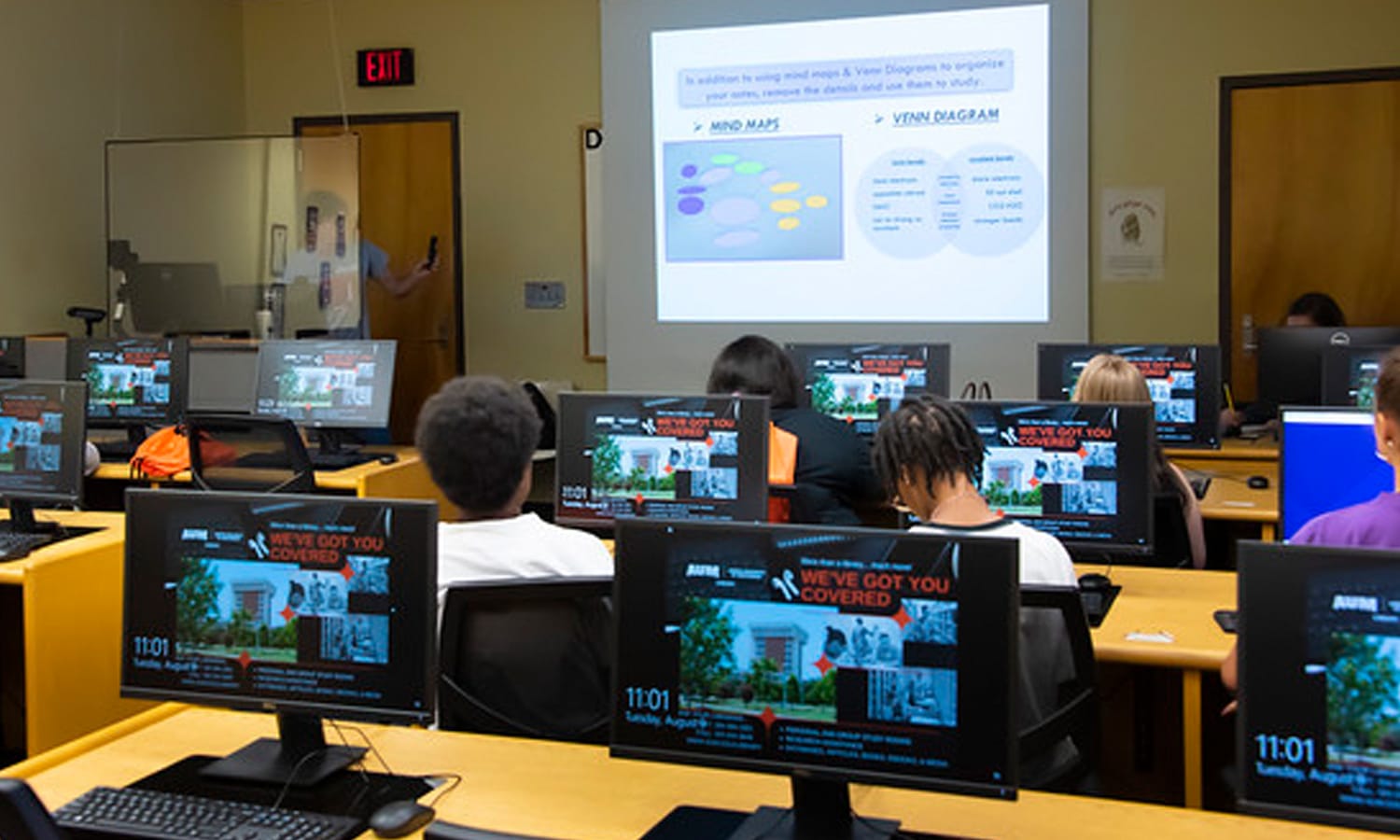
Biology, Environmental Science, and Geographic Information Science (GIS) majors are advised by professional advisors in the office of Central Advising and by faculty in their junior and senior year.

Clubs & Organizations
Are you ready to join a club at AUM College of Science? We are dedicated to learning about all fields related to our Science programs through activities and community events pertaining to those fields. Our students strive to extend the boundaries of human knowledge through scientific research.
Dauphin Island Sea Lab
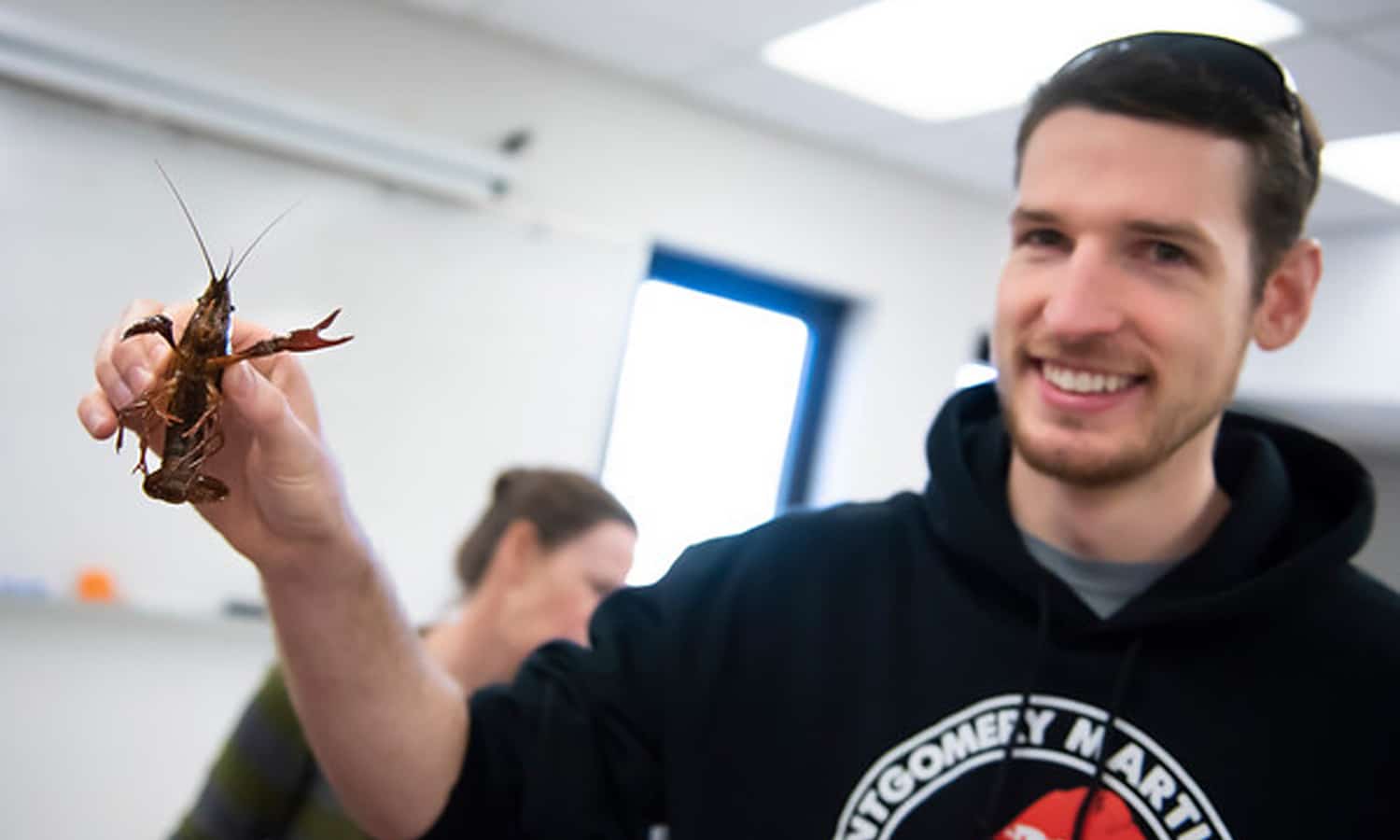
Biology and Environmental Science students enrolled at Auburn University at Montgomery may take marine biology courses at the Sea Lab in Mobile, Alabama. Courses taken at this marine biology station can substitute for upper division Biology and Environmental Science elective credits.
Faculty Research Interests
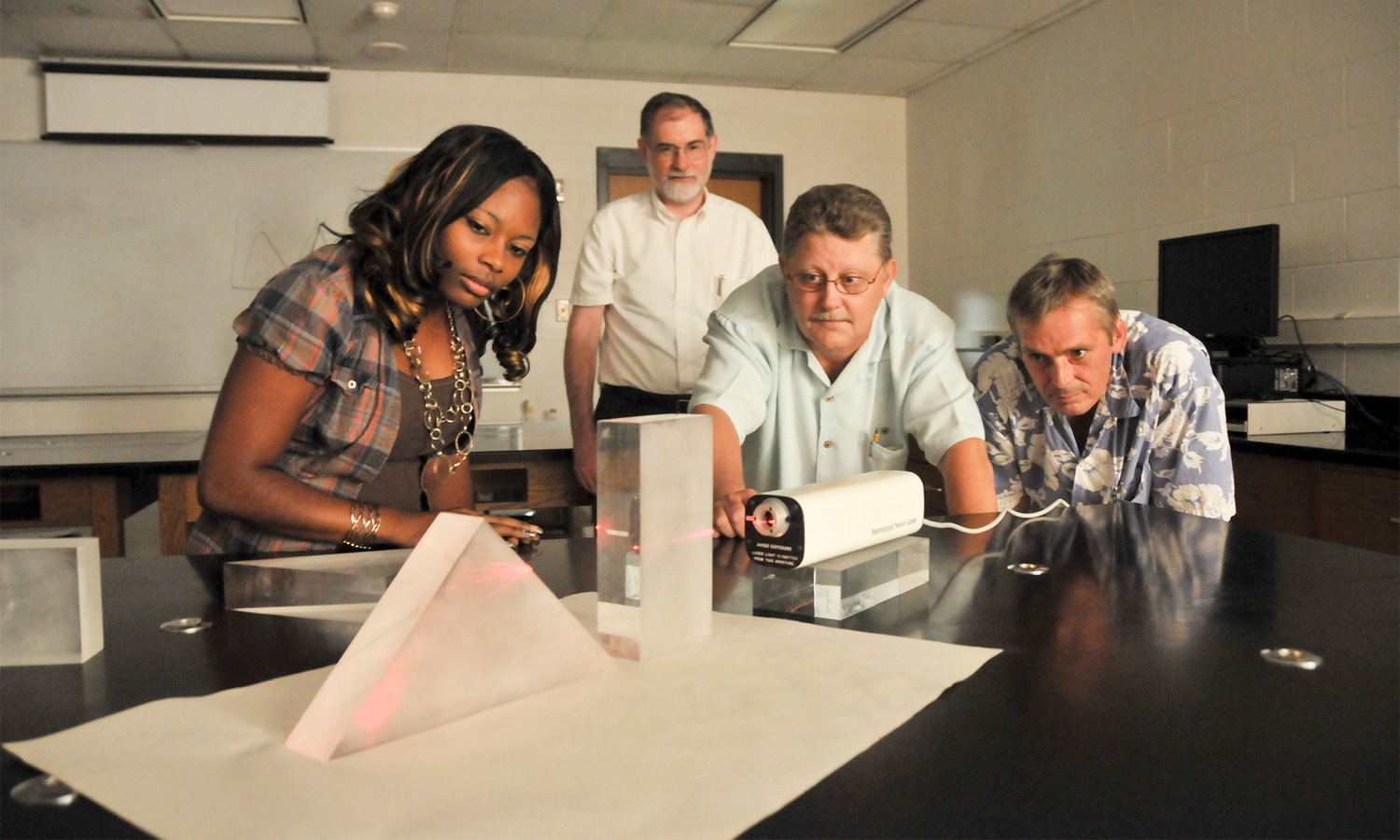
The faculty in AUM’s Department of Biology and Environmental Science are involved in a wide range of exciting research projects. Projects range from biofuel processing to anuran immunology. Please check out the individual listings of each faculty member to learn more about their specific research areas.
Undergraduate Programs
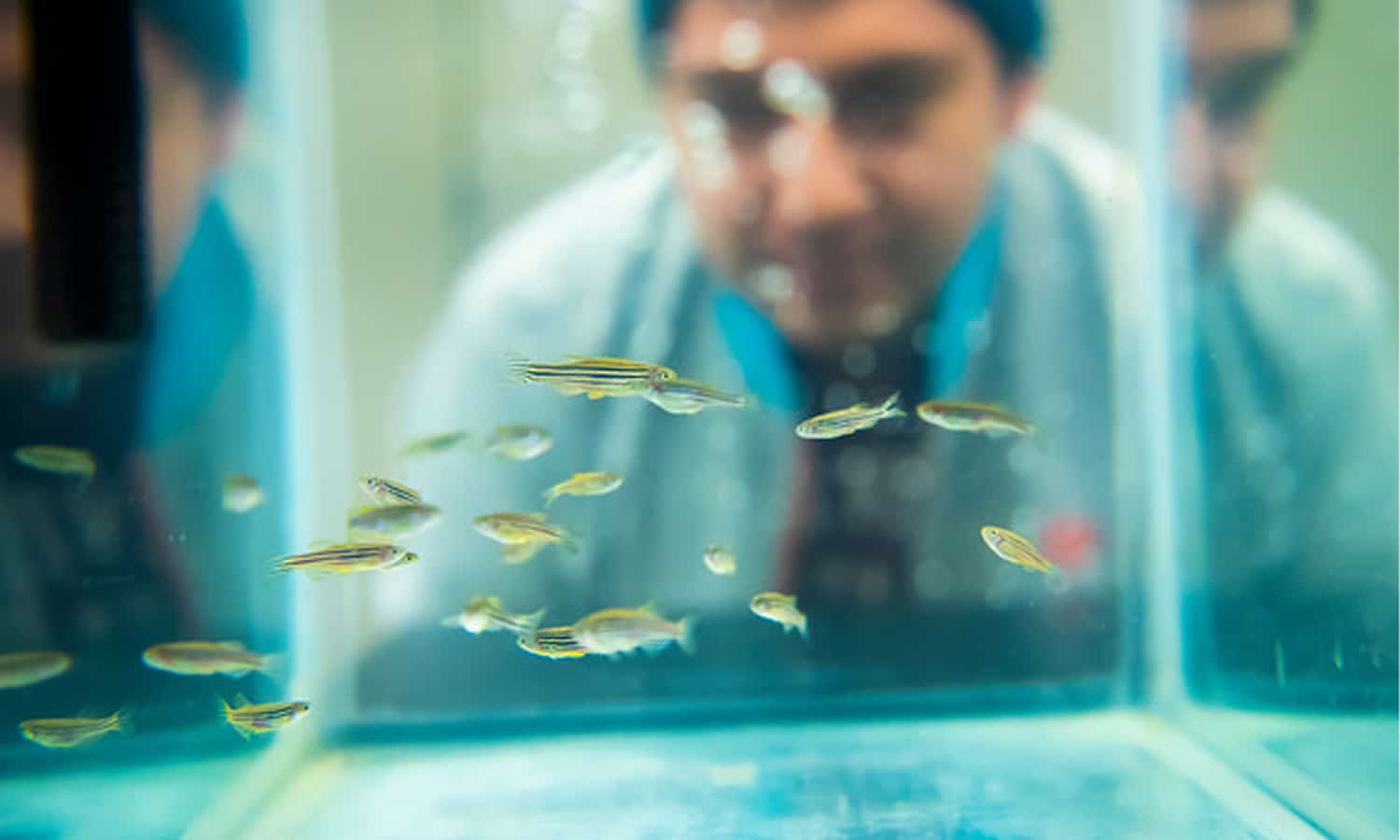
The Department offers two undergrad degrees, Biology and Environmental Science. Each degree has several concentrations to prepare you for graduate school or to focus your interests for a particular career.
Graduate Programs
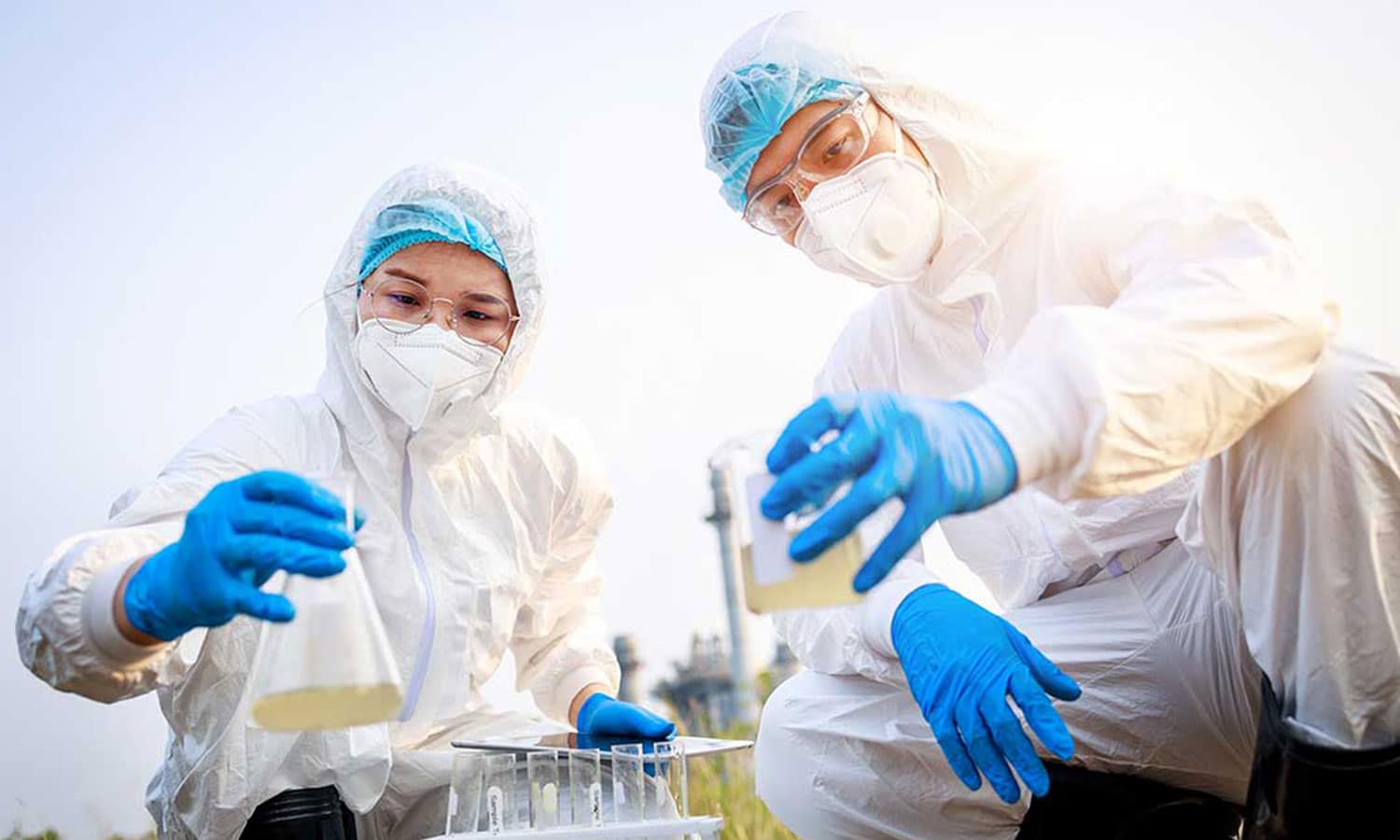
The Master of Science in Biochemistry and Molecular Biology degree program at AUM is the only one of its kind in Alabama’s River Region. It is a flexible program offering three concentrations and two thesis options.
Undergraduate Research
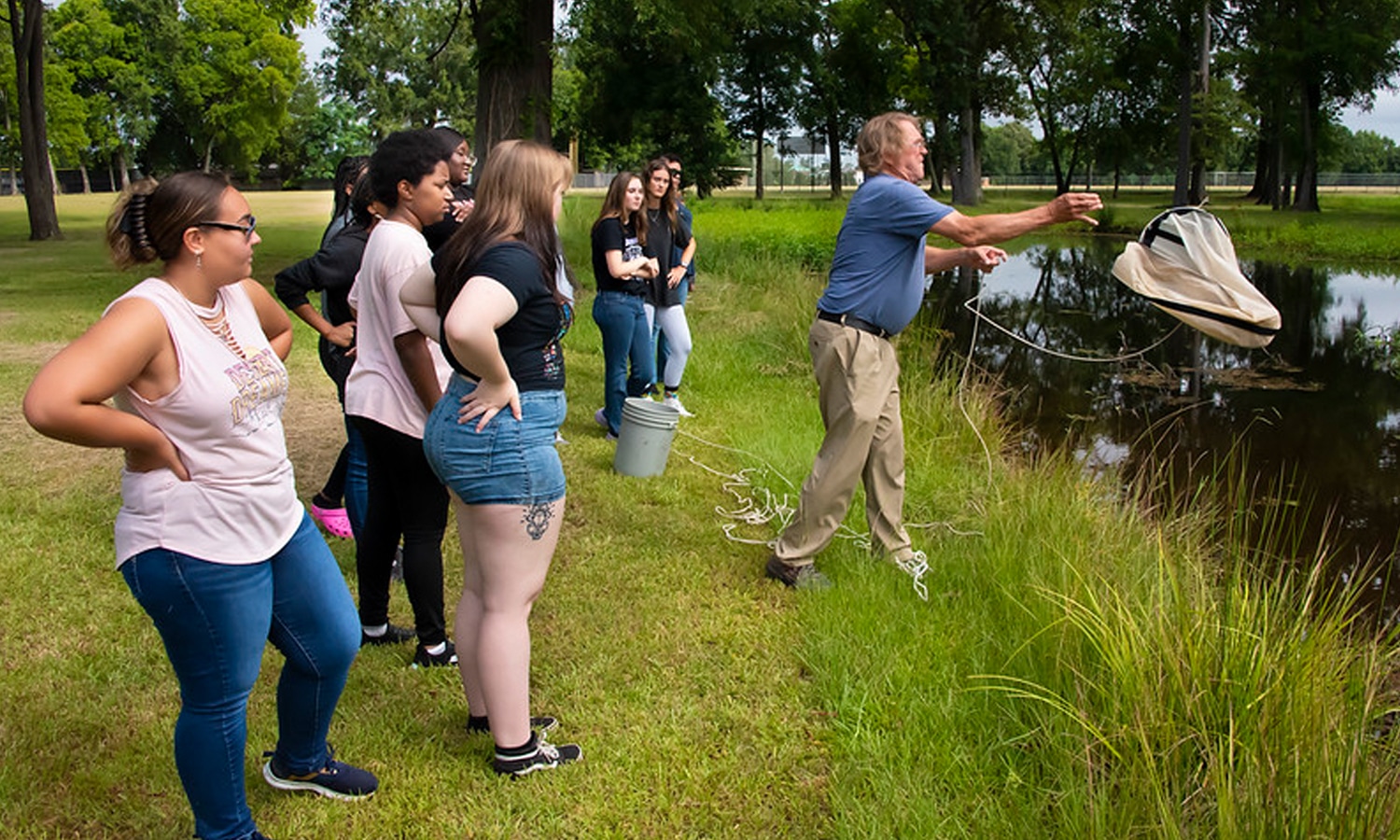
Undergraduate research is a way to get research experience before leaving college. As a student you will work closely with a faculty advisor on a shared research project. The research options are almost limitless and the experience is invaluable.
Scholarships
The AUM College of Sciences strives to ensure that students have every opportunity to complete their educational goals. Part of that effort is our commitment to helping students to pay for costs associated with their education.

Study Abroad
Study abroad short courses, summers or semesters are routinely offered through our membership in the Organization for Tropical Studies (OTS). The Biology Department may sponsor other study abroad field experiences.
Faculty and Staff
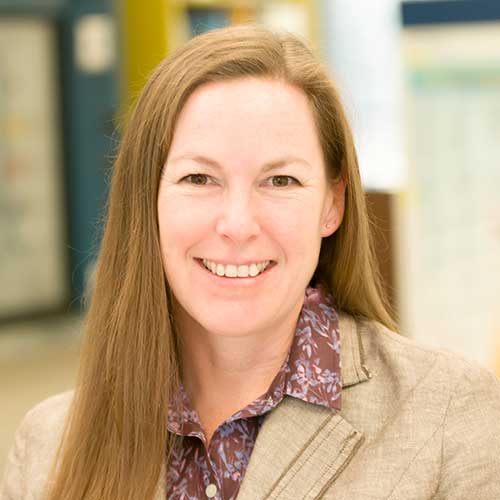
Chelsea Ward
Professor/Head | College of Sciences
Ph.D. (2005) Auburn University in Biology
BS (1998) Florida Institute of Technology in Marine Biology
Dr. Ward’s research focuses are on immunology and stress physiology as it relates to temperature and changing environments. She also has interested in latitudinal gradients in stress physiology, immunology, and metabolism in Anurans.

Anshu Aggarwal
Lecturer | College of Sciences
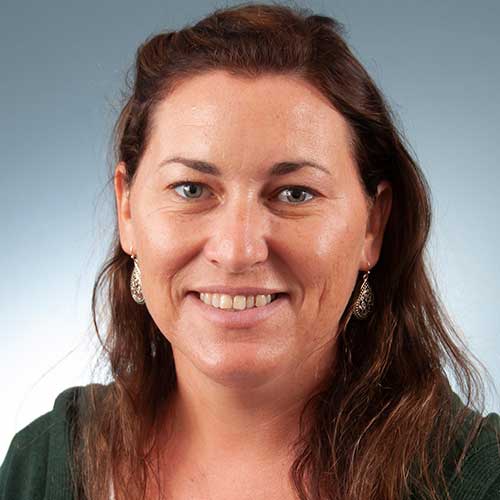
Maria Florencia Breitman
Assistant Professor | College of Sciences
Dr. Breitman research is focused on (1) exploring the biodiversity and urban ecology of reptiles and amphibians in urban forests under different management treatments, (2) next-generation teaching: designing and implementing scientifically based teaching and peer-mentoring approaches for different class/lab settings, and (3) providing AUM undergraduate students with authentic research experiences tailored to their career goals (including octopuses biomechanics, human dental research, collection management, and more!). Dr. Breitman and other amazing collaborators @ AUM have developed Flight School, which is a very successful mentoring program that increases the skills of students by supporting and training mentors and faculty. Dr. Breitman welcomes and celebrates everyone’s ideas! If you are interested in research and/or mentoring, please reach out to Dr. Breitman!
Webpage https://breitmanlab.com/
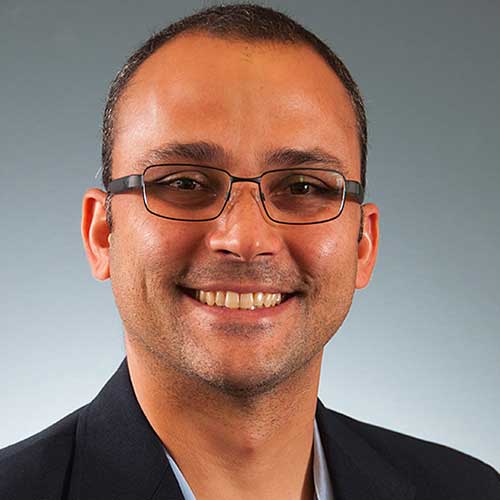
Gabriel Costa
Professor | College of Sciences
Dr. Gabe Costa is an Assistant Professor of Biology and Environmental Sciences, and Coordinator of Environmental Sciences and GIS at AUM. His research is mainly focused in understanding the ecological and evolutionary drivers of variation in Biodiversity across the globe. Dr. Costa has worked with different groups of organisms such as amphibians, reptiles and mammals disentangling the roles of abiotic, biotic and evolutionary factors in explaining diversity patterns from local to global scales. Dr. Costa is also interested in using his findings to create instrumental knowledge that can support conservation decisions. By understanding what factors influence how biodiversity changes across space we might be able to quantify, predict, mitigate and possibly manage the growing negative impacts caused by human activities. Dr. Costa teaches Biostatistics, Species Distribution Modeling, Landscape Ecology, and Biogeography and Macroecology. His classes usually have a strong focus on analytical skills including learning to work in the R environment, GIS and spatial analysis. Dr. Costa research has reached a broad audience with over 60 peer reviewed articles published that collectively have been cited more than 2,400 times (Scholar page) (Lab page)
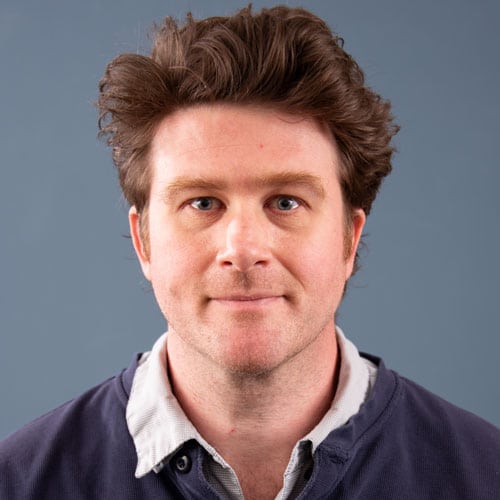
Nicholas Cuba
Assistant Professor
Nicholas Cuba
Assistant Professor | College of Sciences
Rachel Foster
Lecturer | College of Sciences
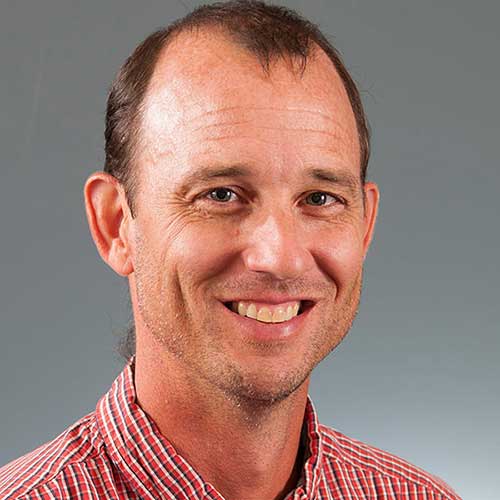
Matthew Grilliot
Associate Professor | College of Sciences
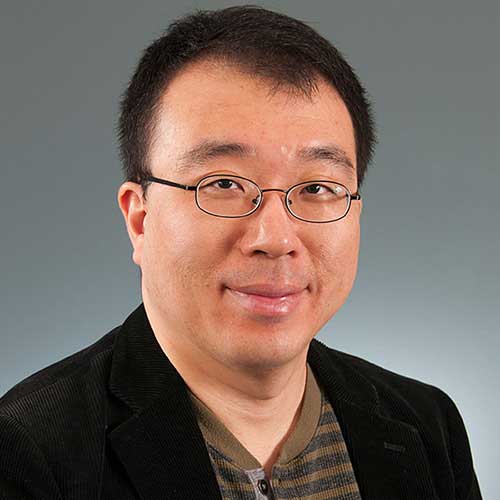
Hoe Hun Ha
Associate Professor | College of Sciences
Ph.D. State University of New York at Buffalo (2011)
M.A. State University of New York at Buffalo (2007)
B.S. Utah State University (2003)
Dr. Hoehun Ha is Associate Professor of Geography specializing in Geographic Information System (GIS). His primary research interests focus on the linkages between socio-physical environment and human interactions, using GIS and statistical methodologies. His research includes 1) the spatial modeling of chemical exposure and risk assessment, and the investigation of soil contamination with toxic substances in Anniston, Alabama. He also has worked on 2) conservation easement suitability modeling : a case study from South-East Michigan and 3) roadkill hot-spots modeling using a geographic socio-environmental niche-based approach: a case-study from 3 state highways in Central California. Furthermore, in his current research, he has developed 4) spatial models in public health – physical / socioeconomic based approach; a case study from U.S counties.
His teaching interests cover a wide range of geography courses including: Introduction to GIS, Advanced GIS, GIS in Environmental Modeling & Management, GIS in Public Health, Cartography, Geography of World Region, Human Geography, Spatial Statistics, and Earth Systems Science.
Dr. Ha’s publications have appeared in numerous internationally reputable scholarly journals including: Environmental Science & Technology, Computers, Environment and Urban Systems, Transportation, Applied Geography, Ecological Informatics, High Altitude Medicine & Biology, International Journal of Environmental Health Research, and International Journal of Environmental Research and Public Health. He is a member of Association of American Geographers (AAG) and Applied Geography Conference (AGC). (Scholar page)
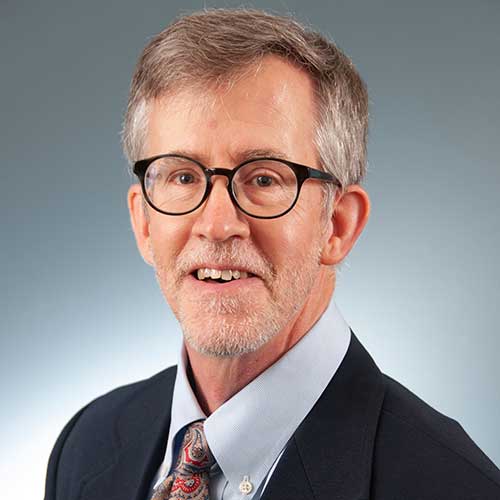
Pryce Haddix
Associate Professor | College of Sciences
Ph.D. Microbiology, May 1992, University of Kentucky
B.A. Biology with chemistry emphasis, May 1985, Transylvania University, Lexington, KY
Dr. Haddix is an Associate Professor in the Biology Department in the School of Sciences. He has a broad background in microbiology and molecular biology. His research interests are in the biological functions of bacterial pigments and the use of bacteria as biological sensors for the detection of environmental contaminants.
Dr. Haddix’s primary research interest involves identifying and characterizing the biological function of a red pigment made by the soil bacterium and opportunistic bacterial pathogen Serratia marcescens. His early work on this project built a circumstantial case for a negative role for prodigiosin pigment in cellular energy production during high-rate cell multiplication when cellular energy levels begin at their maximum (PubMed ID # 18805986). More recent work has revealed that the pigment has a positive function in cellular energy production when cellular energy levels are low; this positive function ultimately produces a doubling of pigmented cell yield over that of non-pigmented cells (PMID # 29616306). His most recent work has more clearly defined the negative role, and a manuscript describing these results is due to be submitted for publication in spring, 2019. Ongoing experimental work will more closely address the positive function and build a model for prodigiosin pigment in the cellular energy fluxes associated with Serratia marcescens population growth.
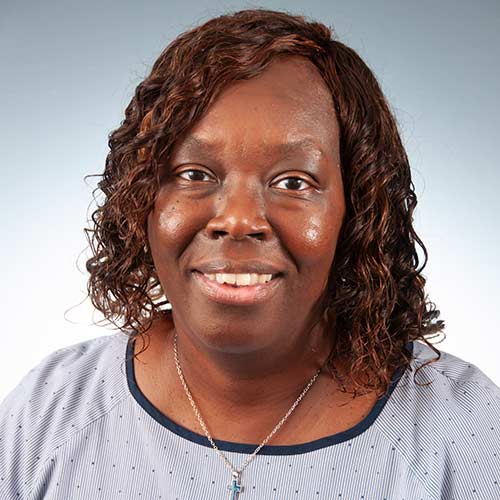
Nikita Johnson
Administrative Coordinator | College of Sciences
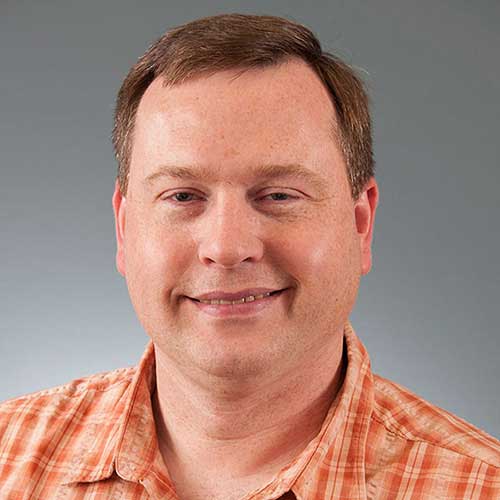
Tim Kroft
Associate Professor | College of Sciences
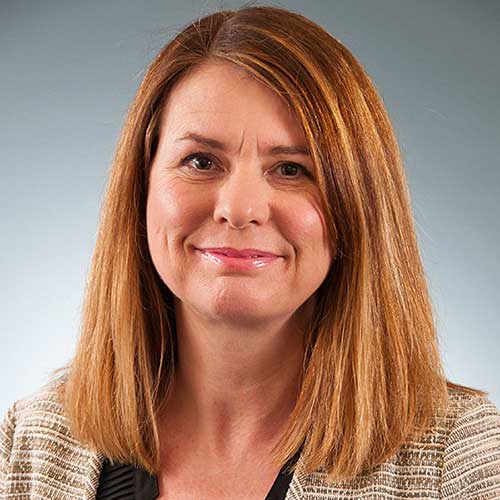
Ann Marie O'Neill
Associate Professor | College of Sciences

Ben Okeke
Professor | College of Sciences
Ph.D. (1994): University of Strathclyde, Glasgow, Scotland
M.S. (1989): University of Strathclyde, Glasgow, Scotland
B.S. (1985): University of Nigeria, Nsukka, Nigeria
Professor Okeke is a Distinguished Research Professor of Industrial and Environmental Microbiology in the Department of Biology and Environmental Science. His research interests include: biofuel and co-products, biosensors, bioremediation, enzyme biotechnology, effects of pollutants on microbial communities, indicators of microbiological safety of water and food, and genetic engineering of microbes. He teaches industrial microbiology, environmental microbiology, special topics biotechnology, general microbiology and directed research. Professor Okeke did postdoctoral work at the University of California, Riverside; Gifu University, Japan; and the International Center for Genetic Engineering and Biotechnology, Trieste, Italy. Dr. Okeke has 60 research papers in peer reviewed journals, three US patents, two books, numerous conference abstracts and several research grants including a million dollar grant for research on fuel ethanol from biomass. His excellence awards include Alumni Professor, Ida Belle Young Endowed Professorship. He is the founding Director of the Bioprocessing and Biofuel Research Lab (BBRL). Dr. Okeke served as Associate and Assistant Editor for two peer reviewed international journals; the Journal of Environmental Quality and Applied Biochemistry and Biotechnology.
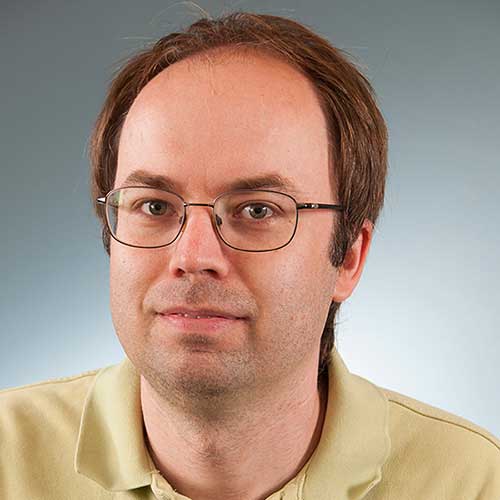
Ben Rogers
Lab Coordinator | College of Sciences
B.S., Zoology, Auburn University
M.S., Biology, University of Arkansas
Bio: Ben Rogers is a biology lab coordinator for beginning biology labs at AUM. His primary area of interest in biology is birds of prey. He studied the dynamics of a winter bald eagle roost in Arkansas for his master’s degree under the Dr. Douglas James at the University of Arkansas. He is a former zoo keeper, and has also worked for the Peregrine Fund’s aplomado falcon re-introduction project in southeast Texas. Some of his other research work involved Mitchell’s satyr butterfly surveys, salamander body sizes, and sexual dimorphism in red-tailed hawks.
He maintains a strong interest in biology education, along with a fascination for weird insects and fossil hunting.
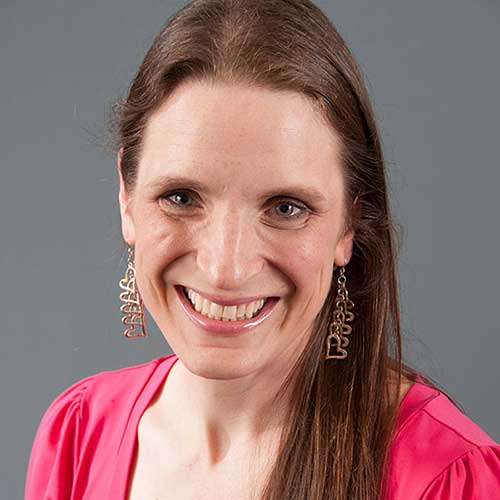
Cynthia Schmaeman
Lab Coordinator
B.S., Zoology and horticulture, Michigan State University
M.S., Biological sciences, Auburn University
I studied bat reproductive physiology and behavior as my master’s research and still have a fondness for bats.
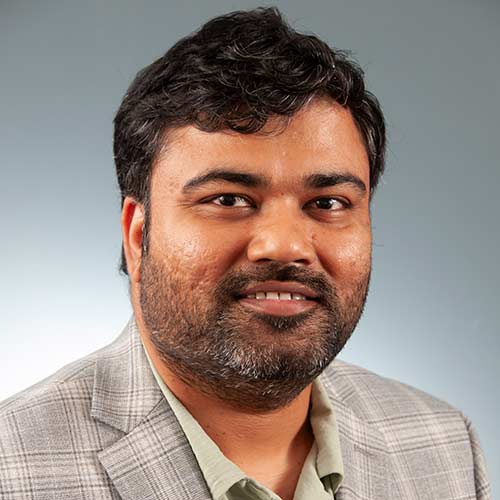
FNU Shivakant
Assistant Professor | College of Sciences
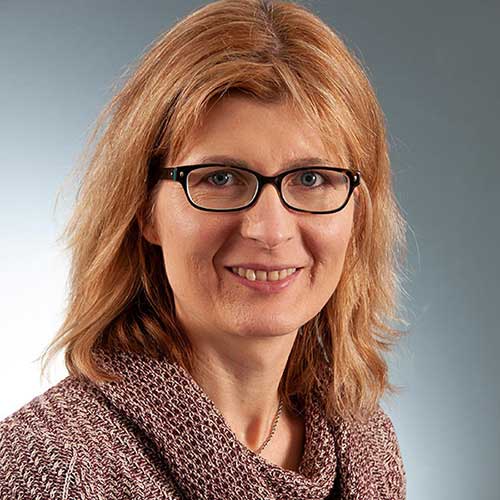
Claudia Stein
Associate Professor | College of Sciences
PhD, Biology, University of Potsdam & Helmholtz Centre for Environmental Research, Germany, 2008
Diploma Biology (chemical ecology, botany), Freie Universität Berlin, Germany, 2003
Dr. Stein is Assistant Professor in Biology and Environmental Sciences specializing in plant ecology. She is broadly interested in understanding the patterns, causes and consequences of plant diversity. Her main research focusses on the mechanisms by which species interactions, such as plant-soil microbial feedbacks and plant-herbivore interactions, affect species diversity, biological invasions, and ecosystem functioning under climate change. The motivation of her work is to develop management solutions to successful restoration and conservation and to mitigate the effects of climate change. She works in a variety of systems, including grasslands, working rangelands, and woodlands.
Her recent publications include journal articles in Ecology, Journal of Ecology, Oecologia, Plant and Soil, Mycorrhiza, and Ecology and Evolution. She is a member of the Ecological Society of America (ESA) and Ecological Society of Germany, Austria and Switzerland (GfÖ).
Denise B. Stoeckel
Lab Coordinator | College of Sciences
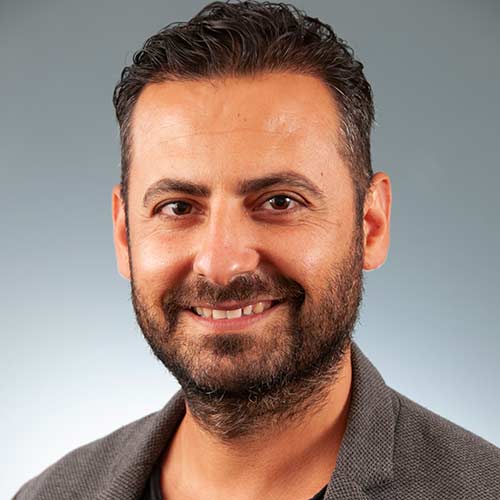
Yener Ulus
Assistant Professor | College of Sciences
Dr. Yener Ulus is an Assistant Professor of Biology and Environmental Science at Auburn University at Montgomery (AUM). His research focuses on how changing environmental conditions influence the behavior of pollutants, with an emphasis on heavy metals such as mercury in aquatic and terrestrial ecosystems.
He studies how factors like sea-level rise, flooding, saltwater intrusion, forest management, and wildfires affect the transformation, movement, and accumulation of contaminants in soils, waters, and food webs.
His work combines field and laboratory studies to understand pollutant dynamics better and to develop strategies for predicting and mitigating ecological and human health risks. He has published in leading journals, collaborates internationally on pollutant research, and is open to new research partnerships. Dr. Ulus is also currently accepting master’s students interested in environmental science. At AUM, he teaches Environmental Science, Earth System Dynamics, and Environmental Pollution and Control, offering students hands-on, inquiry-based learning experiences.